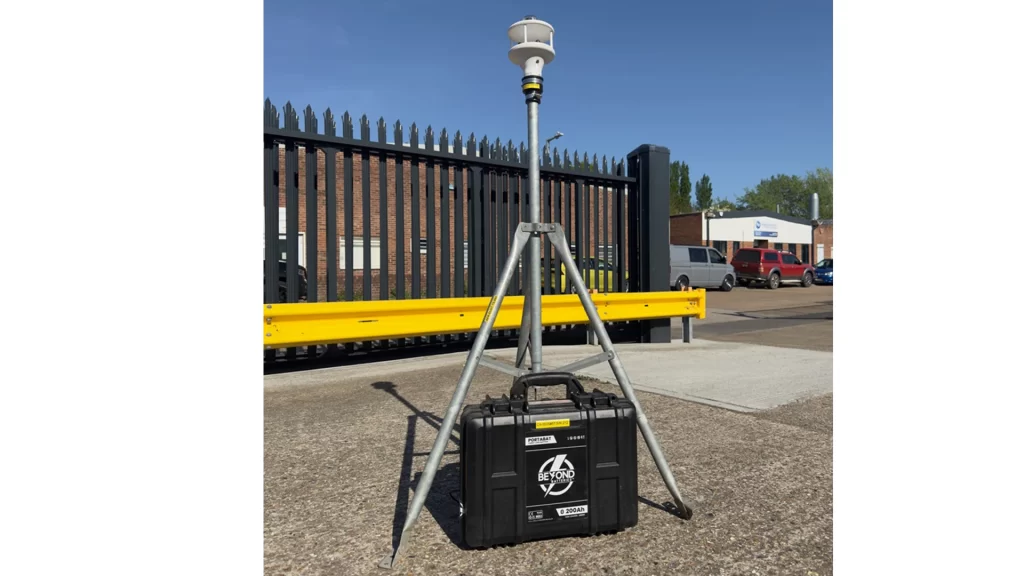
Modern construction and industrial sites rely heavily on noise and dust monitoring systems to stay compliant, protect nearby communities, and maintain safe working conditions. However, one of the biggest challenges in environmental monitoring is dealing with false positives – situations where alarms or exceedances are triggered by external environmental conditions rather than actual site activity.
This is where integrated weather sensors play a major role in improving monitoring accuracy.
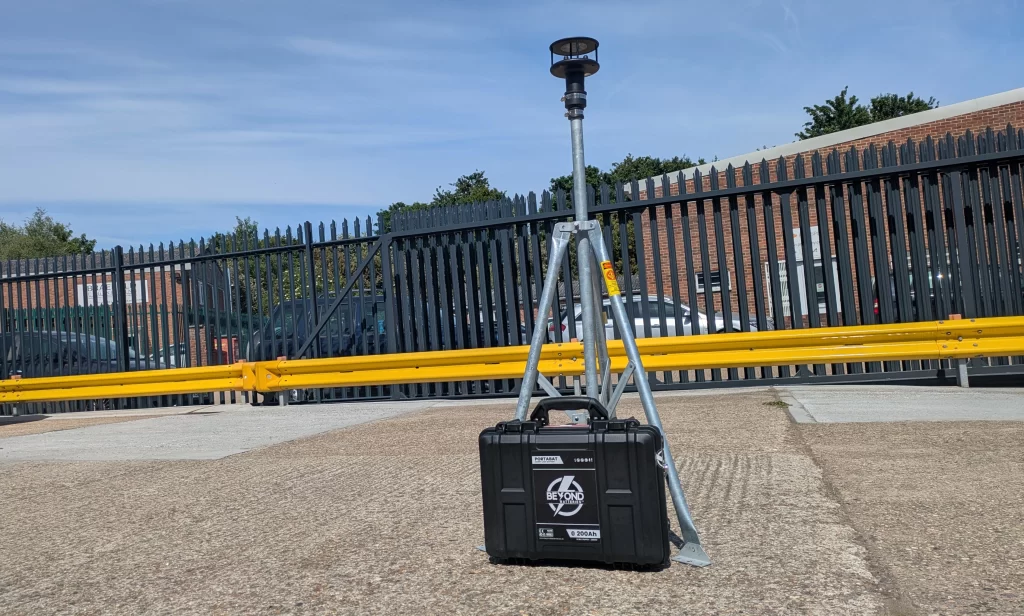
Weather data such as wind direction, wind speed, gusts, temperature, humidity, and rainfall provides important context to both noise and dust readings. For example, strong winds can carry dust from neighbouring areas onto a site, causing elevated particulate readings that may not be directly linked to on-site operations. By analysing wind direction and speed alongside dust data, environmental teams can quickly identify whether emissions are site-generated or coming from external sources.
Wind gust monitoring is equally important. Sudden gusts can create short-term spikes in airborne dust, especially during dry weather conditions. During prolonged dry periods, ground surfaces become loose and dusty, meaning even light vehicle movement or excavation work can produce significantly higher dust levels. Without weather data, these temporary increases could easily be misinterpreted as compliance failures.
Noise monitoring also benefits from weather integration. Wind can affect how sound travels, sometimes amplifying noise levels at monitoring locations. Gusty conditions may also interfere with microphones, creating inaccurate readings if weather protection and correction factors are not considered.
By combining environmental monitoring with real-time weather sensors such as our WeatherSens & WindSens monitors, operators gain a far clearer understanding of what is actually happening on-site. This helps reduce unnecessary investigations, improves reporting accuracy, and provides stronger evidence when responding to complaints or regulatory enquiries.
Learn more about our solutions here.