

MCERTS-certified indicative dust monitors are widely specified for construction projects across the UK. However, are all MCERTS monitors truly suitable for construction applications?
The MCERTS indicative certification is primarily achieved through comparative measurements against reference-grade instruments in background (ambient) locations. To gain certification, a sample of instruments must demonstrate good long-term correlation with the reference method.
While this approach is appropriate for ambient community air quality monitoring, it does not necessarily mean a monitor is suitable for construction environments. There are several important differences to consider:
1. Averaging Periods
MCERTS indicative assessments are based on 24-hour average measurements. This works well for community air quality monitoring, where daily mean values are the primary concern.
Construction projects, however, typically operate over a working day of around 10 hours, with dust limits often defined over hourly or 15 minute periods. Monitoring systems therefore need to:
- Measure accurately over short averaging periods
- Identify dust events in real time
- Trigger immediate alerts when limits are exceeded
A monitor optimised for 24-hour averages may not provide the responsiveness required on a live construction site.
2. Concentration Ranges
MCERTS comparative testing is conducted at ambient locations where particulate concentrations are relatively low – typically around 40 µg/m³.
Construction sites, by contrast, can generate significantly higher dust levels, often 150 µg/m³ or more. Dust monitors used on construction projects must therefore maintain accuracy across a much wider and higher concentration range than is typically encountered in ambient environments.
3. Measurement of PM₁₀
Although all MCERTS indicative dust monitors report PM₁₀, not all of them directly measure it.
Some instruments measure PM₂.₅ and apply a fixed conversion factor to estimate PM₁₀. In ambient environments, this can produce good correlation because PM₂.₅ and PM₁₀ levels often track closely together.
On construction sites, however, dust sources are very different. Coarser particles are more prevalent, and PM₁₀ does not necessarily follow PM₂.₅ in the same way. For construction applications, it is important that the optical sensor directly measures PM₁₀ rather than inferring it.
4. Heated Inlets
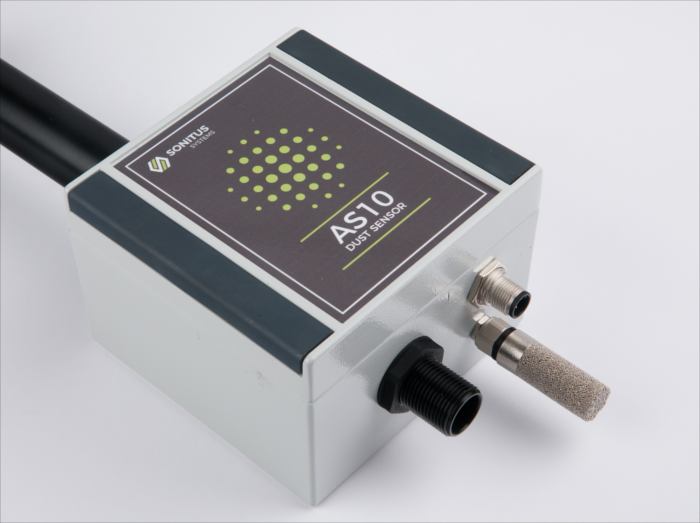
Many MCERTS indicative monitors are not fitted with heated inlets.
Heated inlets are used to dry the sample air and remove fog and mist droplets, which would otherwise be detected as particulate matter. In construction monitoring, particularly where reporting periods are short fog or mist can generate false dust events if the sample air is not properly conditioned.
Choosing the Right Monitor
MCERTS certification ensures environmental data is accurate and reliable, but certification alone does not guarantee suitability for every application.
When selecting a dust monitor for construction, it is essential to consider:
- Short-term averaging capability
- Performance at higher concentration ranges
- True PM₁₀ measurement
- Effective inlet conditioning
If you are unsure which type of dust monitor is most appropriate for your project, please contact the team at Campbell Associates for advice.
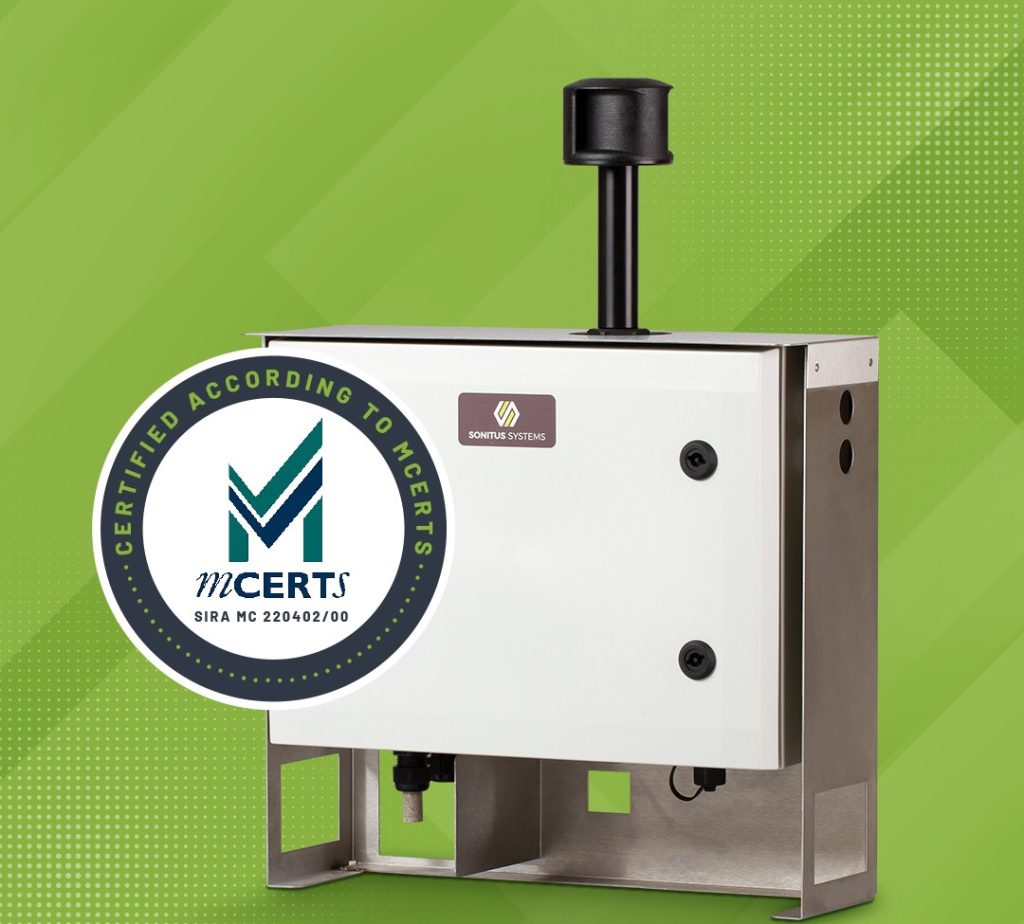
MCERTS is the Environment Agency certification scheme designed to ensure environmental monitoring equipment meets defined standards of accuracy and reliability.


